

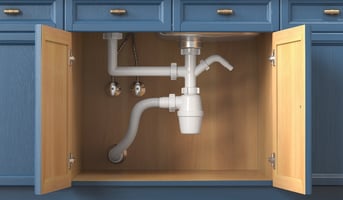
Water damage can wreak havoc on a home, causing costly repairs and headaches for homeowners. Water...
What Happens When You File a Commercial Insurance Claim?
Whether you're dealing with property damage, a vehicle accident, or a liability claim, understanding how the commercial insurance claims process works can make an unexpected situation easier to manage.
Although the details vary by the type of loss and your insurance policy, commercial insurance claims follow a familiar process that begins with reporting the incident and continues through investigation, coverage determination, and resolution. Knowing what to expect at each stage helps you respond appropriately, provide the necessary information, and stay informed throughout the process.
What Should You Do Immediately After a Loss?
Your first priority following an incident is the safety of your employees, customers, and anyone else involved. If someone is injured or the situation presents an immediate danger, contact emergency services.
Once immediate safety concerns have been addressed, take reasonable steps to prevent additional damage, provided it is safe to do so. For example, if your business experiences water damage, shut off the water supply when possible. Preserve damaged property for the insurance company's inspection when if possible, and avoid making permanent repairs until you've discussed the damage with your insurer.
Documenting the incident thoroughly helps support your claim. Important information includes:
- Photographs or videos of damaged property
- The date, time, and location of the incident
- Names and contact information of people involved or witnesses
- Police reports or other incident records, when applicable
- Receipts for emergency repairs or necessary expenses
- An inventory of damaged equipment, materials, or merchandise
Concklin Insurance Agency provides incident report forms for businesses to help you organize information following an accident, injury, or property loss.
Reporting the Claim to Your Insurance Company
Contact your insurance agent or insurance company promptly after becoming aware of an incident that could involve your insurance coverage. Your commercial insurance policies contain reporting requirements, and some coverages have strict notification deadlines.
You do not need to determine whether a loss is covered before notifying your insurance company. Evaluating the incident and applying the relevant policy provisions is the insurer's responsibility.
Your insurance policy may require you to report an incident even if you don't intend to seek reimbursement. Reporting the incident also creates a record with your insurance company, regardless of whether a claim payment is made.
If you are uncertain how to proceed, your insurance agent can explain the reporting requirements and help you understand your options. Do not delay required notification while deciding whether to pursue a claim, since failing to satisfy your policy's reporting requirements can affect coverage.
When reporting a claim, be prepared to provide your policy information, a description of the incident, the date of the loss, and any supporting documentation you have collected.
If another person or business is making a claim against you, report the allegation promptly, even if you disagree with it. Forward demand letters, legal notices, and other relevant communications to your insurance company. Avoid making commitments about payment, negotiating settlements independently, or accepting responsibility before receiving guidance.
You can find contact information and reporting options for your insurance carrier on Concklin's claims resources page.
What Happens After the Claim Is Reported?
After receiving your claim, your insurance company assigns a claim number and a claims representative or adjuster to review the incident and coordinate the investigation.
The adjuster gathers information, reviews your policy coverage, evaluates the extent of damage or liability, and identifies any additional documentation needed to complete the investigation.
The investigation focuses on the circumstances of your loss. If you file a commercial property claim, an adjuster reviews the damage, obtains repair estimates, and examines records of damaged equipment, inventory, or merchandise. Property inspections and additional evaluations help establish the extent and value of your loss.
If your claim involves liability, the investigation focuses on what happened, who was involved, and the nature of the allegations. The adjuster reviews incident reports, photographs, witness statements, and communications with the person making the claim against your business.
Straightforward claims often require less investigation than losses involving extensive damage, injuries, multiple parties, or questions about responsibility. In more complex situations, your insurance company brings in specialists, such as engineers, contractors, or other professionals, to evaluate aspects of the loss.
Providing accurate information, maintaining organized records, and responding promptly to requests from your claims representative helps keep the investigation moving forward.
How Does the Insurance Company Determine Coverage?
Determining how your insurance policy applies to the loss is a central part of the claims process.
Your insurance company reviews the facts of the incident alongside your policy's coverage provisions, conditions, exclusions, deductibles, and limits. This review establishes whether your policy responds to the loss and what expenses or obligations fall within your available coverage.
For example, your commercial property insurance responds differently to water damage based on the cause. A burst pipe, sewer backup, and flood can produce similar damage but involve different policy provisions. Understanding these distinctions is important when evaluating water damage and commercial insurance coverage.
Some incidents involve multiple types of coverage, while others include expenses that fall outside your policy's protection. Your insurer's review identifies which portions of the loss are covered, which limitations apply, and whether additional information is needed to complete the determination.
If you have questions about a coverage decision, ask your claims representative to identify the applicable policy provisions and explain how they relate to the circumstances of your claim.
How Long Does a Commercial Insurance Claim Take?
The time required to resolve your commercial insurance claim depends on the complexity of the loss, the information available, and the investigation needed to determine coverage and damages.
A straightforward property claim involving limited damage and complete documentation is usually resolved more quickly than a claim requiring extensive repairs, multiple inspections, or an investigation involving several parties.
Several factors influence your claim's timeline:
- The type and extent of your loss
- The availability and completeness of your supporting documentation
- The need for inspections or specialized evaluations
- The involvement of other businesses, individuals, or insurance companies
- Questions about coverage or responsibility
- The time required to obtain repair estimates or determine the full extent of your damage
Certain claims also require ongoing evaluation as the financial impact becomes clearer. For example, if your claim involves covered business interruption, you will need to document lost income and applicable continuing expenses. Liability claims involving injuries require evaluating the allegations and supporting evidence as the claim develops.
Your claims representative is responsible for communicating the next steps, requesting outstanding documentation, and providing information about the status of the investigation. Although a final resolution date is not always available at the beginning of the process, you should have a clear understanding of what is being reviewed and what information is still needed.
What Happens When the Claim Is Resolved?
The resolution of your commercial insurance claim reflects the insurer's investigation, your documented loss, and the coverage provided by your policy.
For a covered commercial property claim, your insurance company issues payment based on the amount of your covered loss. Payments can occur in stages, particularly when repairs are ongoing or additional expenses need to be documented.
If you have a covered liability claim, your insurance company handles its defense and settlement obligations according to your policy. Whether your insurer must provide a legal defense, pay a settlement, or satisfy a judgment is determined by your coverage terms and the circumstances of the claim.
Not every claim results in full payment of the amount requested. Deductibles, coverage limits, exclusions, and other policy provisions affect the amount payable, and your claim can be partially covered or denied when your policy does not respond to some or all of the loss.
When your insurer denies coverage or limits payment, it must explain the basis for its determination in accordance with applicable law and policy requirements.
Before considering your claim complete, review the settlement or coverage explanation, retain relevant documentation, and resolve any outstanding questions with your claims representative.
What If You Have Questions or Disagree With the Claim Decision?
Questions about settlement amounts, the length of an investigation, or the reasons certain expenses were not covered are part of the claims process. Understanding how your insurer reached its decision is important, particularly when the outcome differs from your expectations.
If you disagree with a coverage decision or settlement calculation, contact your claims representative and request an explanation. Ask for the relevant policy provisions and supporting information in writing so you can review how the determination was reached.
Compare the explanation with your policy, the facts of the incident, and the documentation you submitted. Additional records, corrected information, or clarification about the circumstances of the loss can provide grounds for reconsidering aspects of your claim.
If your concern involves a lack of communication or an extended period without an update, ask for your claim's current status, identify any outstanding information, and request an explanation of the remaining steps.
When questions remain unresolved, additional review options are available through your insurer's procedures, applicable policy provisions, and state insurance regulatory processes. The appropriate avenue depends on the nature of your disagreement.
Your Insurance Agent's Role in the Claims Process
Your insurance agent is an important resource throughout the claims process, particularly when you have questions about reporting requirements, policy provisions, or communication with your insurance company.
Although your agent cannot independently approve or deny a claim, they can facilitate communication, clarify policy information, and help you understand the next steps.
At Concklin Insurance Agency, our commitment to client extends beyond helping you select insurance coverage. We work with you to help you understand your policies, communicate with your insurance carriers, and navigate questions that arise during the claims process.
Understanding how claims are handled before a loss occurs also helps you maintain better records, establish internal reporting procedures, and prepare your business for unexpected events.
Questions about your commercial insurance coverage or reporting a potential claim? Contact Concklin Insurance Agency to discuss your policy and the appropriate next steps.

